

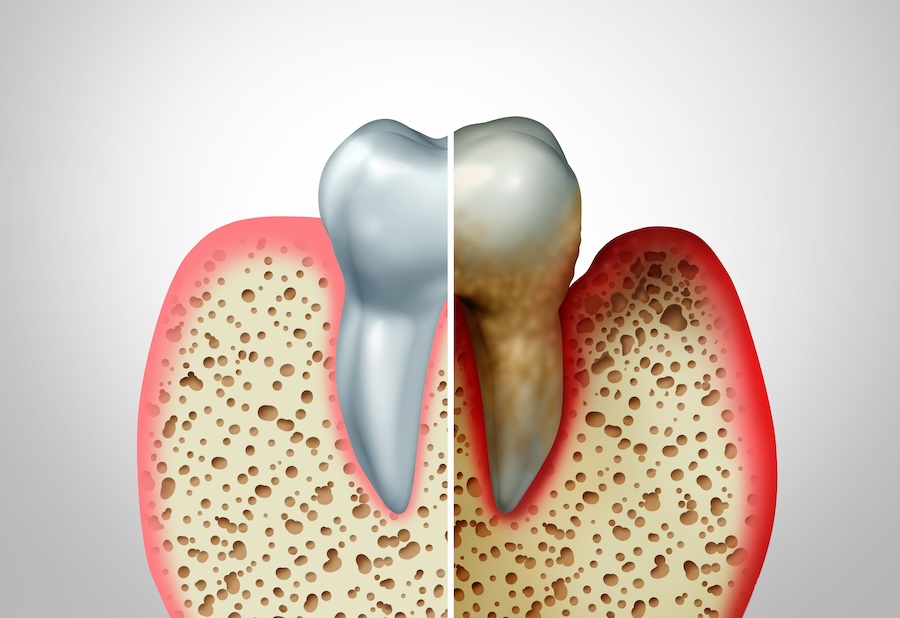
Gum disease does not usually announce itself with dramatic pain right away. More often, it starts with small changes that are easy to explain away. A little bleeding when you floss. Gums that look puffier than usual. Bad breath that comes back even after brushing. None of these symptoms may feel urgent at first, but they can be early signs that your gums need attention.
That is why gum health is worth taking seriously before the problem becomes uncomfortable. In the early stage, gum disease may be easier to manage and, in some cases, reverse with the right care. Once it progresses deeper, it can affect the bone and tissues that support your teeth, which makes treatment more involved.
At Trillium Dental in Portland, OR, Dr. Nicholas White helps patients keep an eye on gum health during routine visits. Healthy gums support your teeth, your bite, and long-term preventive care, so catching changes early can make a meaningful difference in how simple treatment may be.
Bleeding When You Brush or Floss
Bleeding gums are one of the most common early signs of gum disease. Many people notice a little pink in the sink after brushing or flossing and assume they brushed too hard. Sometimes that may be part of it, but gums that bleed regularly are usually irritated.
Healthy gums should not bleed every time you clean your teeth. When plaque collects along the gumline, the bacteria in that plaque can inflame the tissue. As the gums become more sensitive, they may bleed during brushing, flossing, or even eating certain foods.
If you recently started flossing again after a long break, mild bleeding may happen for a few days as the gums adjust. However, if bleeding continues after consistent gentle flossing, it is worth scheduling an exam. Your dental team can check whether plaque, tartar, gum inflammation, or another issue is contributing.
The earlier bleeding gums are addressed, the better. Gingivitis, the earliest stage of gum disease, can often improve with professional cleaning and steady home care. Waiting may allow inflammation to spread below the gumline, where it becomes harder to manage.
Red, Puffy, or Tender Gums
Gums should look firm and healthy, not swollen or overly red. If your gums look puffy around the teeth or feel tender when brushing, flossing, or eating, inflammation may be present.
This type of irritation often begins when plaque sits along the gumline for too long. Plaque is a sticky film of bacteria that forms every day. If it is not removed well with brushing and flossing, it can harden into tartar. Once tartar forms, it cannot be removed at home and needs professional cleaning.
Tender gums may also make people avoid brushing or flossing certain areas, but that can make the problem worse. When plaque stays in place, inflammation tends to continue. Gentle cleaning is important, but a dental visit may be needed to remove buildup and help the tissue heal.
At Trillium Dental, Dr. Nicholas White can evaluate whether gum tenderness is related to early gum disease, brushing habits, food trapping, tartar buildup, or another cause. The right answer depends on what is actually happening around the teeth.
Bad Breath That Keeps Coming Back
Bad breath happens to everyone at times, especially after certain foods or first thing in the morning. However, breath that keeps coming back despite brushing, flossing, and mouthwash may point to bacteria below the gumline.
When plaque and tartar collect around the gums, bacteria can produce odors that are hard to cover up. Mouthwash may freshen your breath briefly, but it will not remove tartar or treat inflammation under the gums.
Persistent bad breath may also be related to dry mouth, cavities, tonsil stones, tongue buildup, or certain medical conditions. Still, gum disease is one of the dental causes your dentist will want to rule out, especially if bad breath is paired with bleeding, swelling, or gum recession.
If you feel like you are constantly checking your breath or relying on mints, it may be time for a dental exam. Identifying the cause can save you from guessing and help you treat the issue more effectively.
Gums That Are Pulling Away From the Teeth
Gum recession can make teeth look longer than they used to. You may notice that more of the tooth is visible near the gumline, or you may feel a notch where the gum has pulled back. This can happen gradually, so it is not always obvious at first.
Receding gums can be caused by several factors, including gum disease, brushing too aggressively, teeth grinding, genetics, and normal changes over time. When recession is related to gum disease, the tissue may pull away because inflammation is affecting the support around the tooth.
Recession matters because the exposed root surface is more sensitive and more vulnerable to decay. You may notice discomfort with cold drinks, brushing, or breathing in cool air. Food may also collect near the gumline more easily.
A dental exam can help determine why the gums are receding and whether treatment is needed. Depending on the cause, care may involve improved home hygiene, professional cleaning, gum disease treatment, bite evaluation, or other recommendations.
Teeth That Feel Loose or Like They Are Shifting
Loose teeth are not usually an early sign, but subtle changes in how your teeth feel can be worth mentioning. If your bite feels different, spaces seem to be opening, or a tooth feels slightly mobile, gum support may need to be evaluated.
Gum disease can affect the bone and tissues that hold teeth in place. As support weakens, teeth may shift or loosen. This is more common in advanced gum disease, but even small changes should be checked before the problem progresses.
Sometimes these changes are easy to overlook because they happen slowly. You may notice that a tooth feels different when you floss, that food gets stuck in a new space, or that your bite does not feel quite the same as it used to.
If your teeth feel different when you bite down or you notice spaces changing, do not wait for the tooth to become obviously loose. A timely evaluation can help identify whether gum health, bite pressure, or another issue is involved.
Sensitivity Near the Gumline
Sensitivity near the gumline is often connected to exposed root surfaces. If the gums pull back or the tooth surface near the gumline becomes worn, cold drinks, brushing, or sweet foods may cause a sharp feeling.
This type of sensitivity does not always mean gum disease, but gum health should be checked. Recession, inflammation, tartar buildup, and brushing habits can all contribute. Grinding or clenching can also place stress near the gumline and make teeth feel more sensitive.
Sensitivity can make patients brush more lightly or avoid certain areas, but skipping those spots may allow plaque to build up. Instead, it is better to use a soft-bristled toothbrush, gentle pressure, and a fluoride toothpaste while you wait for your dental visit.
Dr. Nicholas White can evaluate whether the sensitivity is from gum recession, enamel wear, decay, or another cause. Once the source is clear, treatment can be more specific and helpful.
Gum Pockets That Are Getting Deeper
During a dental exam, your hygienist or dentist may measure the spaces between your teeth and gums. These measurements are called gum pockets. Healthy gum pockets are shallow enough to clean well at home and during routine dental visits.
When gum pockets get deeper, bacteria can collect below the gumline. These areas become harder to clean with a toothbrush or floss alone, and inflammation may continue to worsen if tartar remains trapped under the gums.
You may not feel deeper pockets at first. That is why regular dental visits are important. Gum pocket measurements can reveal early changes before you notice pain, loose teeth, or major gum recession.
If deeper pockets are found, your dentist may recommend improved home care, a professional cleaning, scaling and root planing, or periodontal maintenance depending on the severity. The goal is to reduce bacteria, calm inflammation, and protect the bone around the teeth.
Why Gum Disease Can Be Easy to Miss
Gum disease can be easy to overlook because it often develops slowly. Pain may not appear until the condition has progressed. In the meantime, symptoms like bleeding, bad breath, or mild swelling may seem minor.
Another reason people miss gum disease is that symptoms can come and go. Gums may bleed one week and seem better the next. Bad breath may improve after mouthwash and then return. Tenderness may fade after a few days, even though inflammation is still present.
It is also common for patients to adjust their habits without realizing it. You might avoid flossing a tender spot, chew away from one side, or brush lightly around inflamed gums. These changes may reduce discomfort temporarily, but they do not solve the underlying problem.
A dental exam helps take the guesswork out of it. Your dental team can check plaque and tartar levels, gum pocket measurements, bleeding points, bone support, and overall gum health.
What Happens If Early Gum Disease Is Ignored
Early gum disease often starts as gingivitis, which affects the gum tissue. At this stage, the gums may be red, swollen, tender, or prone to bleeding. With professional cleaning and consistent home care, gingivitis can often improve significantly.
If inflammation is not addressed, it can progress into periodontitis. At that point, the infection affects the deeper supporting structures around the teeth, including bone. Treatment becomes more involved because the goal shifts from reversing inflammation to controlling the disease and preventing further damage.
Untreated gum disease can lead to gum recession, deeper pockets, bone loss, loose teeth, and eventually tooth loss. It may also make other dental treatment more complicated, since healthy gums are needed for crowns, fillings, implants, and long-term stability.
The good news is that gum disease is easier to manage when it is caught early. Paying attention to small signs now can help protect your teeth and gums later.
How Dentists Treat Early Gum Disease
Treatment depends on how far the gum disease has progressed. For early gingivitis, a professional cleaning may be enough to remove plaque and tartar, reduce inflammation, and help the gums heal. Your dental team may also review brushing and flossing techniques so you can clean more effectively at home.
If bacteria and tartar have moved below the gumline, scaling and root planing may be recommended. This is a deeper cleaning that removes buildup from below the gums and smooths root surfaces so the tissue can heal more closely around the teeth.
For patients with ongoing gum concerns, periodontal maintenance visits may be needed more often than standard cleanings. These visits help control bacteria and monitor gum pocket measurements over time.
At Trillium Dental, treatment recommendations are based on what your gums actually need. The goal is to stop the inflammation, protect your teeth, and help you maintain a healthier mouth with a routine that fits your life.
How to Protect Your Gums at Home
Good gum care starts with daily habits. Brush twice a day with a soft-bristled toothbrush, focusing along the gumline without scrubbing too hard. Gentle, thorough brushing is more helpful than aggressive brushing that irritates the tissue.
Flossing once a day helps clean between teeth where a toothbrush cannot reach. If traditional floss is difficult, your dental team may recommend floss picks, interdental brushes, or a water flosser. The best tool is the one you can use consistently and correctly.
It also helps to avoid tobacco, drink plenty of water, and pay attention to dry mouth. Saliva helps rinse the mouth and keep bacteria in check, so dry mouth can make gum issues worse.
Regular dental visits are still important, even with great home care. Tartar can form in places that are hard to reach, and professional cleanings help remove buildup before it irritates the gums.
Gum Disease Care in Portland, OR at Trillium Dental
If your gums bleed, feel tender, look swollen, or seem to be pulling away from your teeth, it is worth scheduling a visit. These early signs may be easy to dismiss, but they can point to gum disease that needs attention.
At Trillium Dental in Portland, OR, Dr. Nicholas White helps patients understand what changes in the gums may mean and how to protect their oral health before problems become more involved. From preventive cleanings to gum evaluations and treatment planning, the focus is on clear guidance and care that fits your needs.
If you have noticed changes in your gums or it has been a while since your last cleaning, call Trillium Dental to schedule an appointment. A careful exam can help you catch gum disease early and take the right next step before it becomes more serious.
FAQs
What are the earliest signs of gum disease? Early signs may include bleeding when brushing or flossing, red or swollen gums, tenderness, bad breath, gum recession, and sensitivity near the gumline. Some people have very mild symptoms at first, which is why regular dental exams are important.
Is bleeding when I floss normal? Bleeding can happen when you first restart flossing, but it should not continue for long. If your gums bleed regularly, plaque buildup or gum inflammation may be present, and a dental visit can help identify the cause.
Can early gum disease be reversed? Gingivitis, the earliest stage of gum disease, can often improve with professional cleaning and consistent home care. Once gum disease progresses into periodontitis and bone loss occurs, it cannot be fully reversed, but it can be managed.
Does gum disease always hurt? No, gum disease often develops without pain in the beginning. Bleeding, swelling, bad breath, or gum recession may appear before discomfort becomes noticeable.
Can gum disease cause loose teeth? Yes, advanced gum disease can damage the bone and tissues that support the teeth, which may cause teeth to loosen or shift. If your bite feels different or a tooth feels mobile, schedule a dental evaluation.
When should I see a dentist for gum symptoms? Schedule a visit if your gums bleed regularly, look swollen, feel tender, recede, or if bad breath keeps returning. You should also be seen if your teeth feel loose or your bite starts to feel different.
Contact Us