

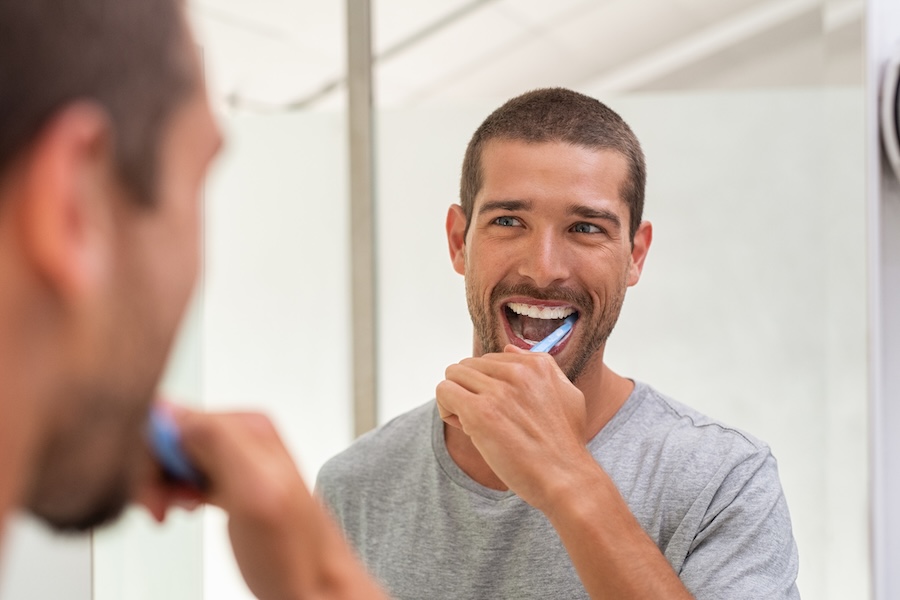
Healthy teeth usually come down to a handful of things you do over and over. Brushing well, cleaning between the teeth, watching how often sugar and acid hit your enamel, keeping up with dental visits, and paying attention when something changes can all add up over the years. None of those habits are fancy, but together they can help you avoid a lot of preventable dental problems.
At Trillium Dental in Portland, OR, Dr. Nicholas White helps patients build routines that are realistic enough to keep doing. You do not need a bathroom counter full of dental products or a routine with ten different steps. However, getting the basics right most of the time can go a long way toward protecting your teeth and gums.
Brush Thoroughly Twice a Day
Brushing twice a day is still one of the most important things you can do for your teeth. Plaque begins forming again pretty quickly after you clean, so brushing in the morning and before bed helps keep that buildup from sitting along the teeth and gumline for too long. At night, brushing is especially helpful because saliva flow drops while you sleep.
A soft-bristled toothbrush is usually a good choice. Then, instead of scrubbing hard from side to side, use gentle pressure and take your time around the gumline, where plaque tends to collect. More force does not necessarily mean cleaner teeth, and pressing too hard can irritate the gums or contribute to wear over time.
Try to give yourself about two minutes rather than doing a quick pass while you are halfway out the door. It helps to work around the mouth in sections so the back molars and inside surfaces do not get skipped. Those spots are easy to rush through, especially when you are tired or running late.
Also, pay attention to the condition of your toothbrush. If the bristles are flattened or splayed after only a short time, you may be brushing harder than you realize. Replacing the brush or electric toothbrush head regularly keeps the bristles working the way they should.
Use Fluoride Toothpaste
Fluoride helps strengthen enamel and makes teeth more resistant to the acids that contribute to cavities. That is why Dr. White generally wants patients using a fluoride toothpaste unless there is a specific reason to recommend something different. For most people, it is one of the easiest ways to add extra cavity protection to an already familiar habit.
You do not need a huge ribbon of toothpaste across the entire brush. A small amount is enough for adults, as long as you are brushing all the tooth surfaces thoroughly. Then, after brushing, spit out the excess rather than rinsing aggressively with a large amount of water.
That leaves a little fluoride behind on the teeth instead of washing it away immediately. If you use mouthwash too, Dr. White may suggest using it at another time of day rather than right after brushing. That allows the fluoride toothpaste to stay in contact with the enamel a little longer.
If you are especially prone to cavities, Dr. White may recommend additional fluoride treatment or a prescription-strength toothpaste. That can be helpful for people with dry mouth, exposed roots, frequent decay, or certain dental restorations. So, your routine can be adjusted based on what your teeth actually need.
Clean Between Your Teeth Every Day
A toothbrush does a good job on the fronts, backs, and chewing surfaces of teeth, but it cannot clean everything between them. Plaque and food can sit in those narrow spaces even when your teeth look clean from the front. So, cleaning between the teeth once a day helps reach areas the toothbrush simply cannot.
For many people, floss works well. Slide it gently between the teeth, curve it around the side of one tooth, and move it up and down rather than snapping it straight into the gums. Then, repeat that motion against the neighboring tooth before moving to the next space.
If traditional floss is awkward, though, there are other options. Floss picks, interdental brushes, and water flossers may be easier depending on your hand strength, spacing between the teeth, braces, bridges, or other dental work. The best option is usually the one you can use thoroughly and consistently.
Your routine also needs to be realistic enough to repeat. If floss picks help you clean between your teeth more consistently, use them. If an electric toothbrush helps you slow down and cover each area better, that can be useful too. A routine you can keep doing is usually more helpful than one that becomes complicated enough to abandon after a few weeks.
If your gums bleed when you first start cleaning between the teeth, that can happen when the tissue is already inflamed. With gentle daily cleaning, mild gingivitis may begin to calm down and the bleeding often decreases. However, if the same areas keep bleeding after a couple of weeks, let Dr. White know so we can check for tartar or deeper gum inflammation.
Also, if one area is always difficult to clean or food keeps catching between the same two teeth, mention it at your next visit. Sometimes a different flossing tool or angle makes the area easier to reach. In other cases, repeated food trapping can be a reason for Dr. White to check the contact between the teeth or an existing restoration.
Watch How Often You Snack and Sip
Sugar feeds the bacteria that produce acids in dental plaque. Every time you have a sugary snack or drink, those acids can lower the pH around the teeth and begin attacking the enamel. Then, saliva gradually helps the mouth recover.
Because of that, frequency makes a difference. Drinking one sweetened beverage with lunch exposes the teeth differently than sipping the same drink slowly from morning until mid-afternoon. With constant sipping, the teeth get hit with another round of acid before they have much time to recover.
The same idea applies to snacks. Grazing on crackers, candy, dried fruit, or other carbohydrate-rich foods throughout the day can keep giving oral bacteria more fuel. So, if you snack often, try to group snacks instead of nibbling a little every twenty minutes.
Water is the easiest drink to keep around between meals. It rinses away some food debris, does not add sugar, and helps when your mouth feels dry. In Portland, carrying a reusable water bottle is already second nature for a lot of people, and your teeth are perfectly happy to benefit from that habit too.
Acidic Drinks Can Wear Down Enamel Too
Sugar is not the only concern. Soda, sports drinks, energy drinks, citrus beverages, kombucha, and other acidic drinks can soften enamel even when they are sugar-free. So, a drink does not have to taste especially sweet to affect the teeth.
Again, how often you sip can make a difference. Having an acidic drink with a meal is generally easier on the teeth than carrying it around and nursing it for hours. Meanwhile, plain water between meals gives your mouth more time to return to a less acidic environment.
If you do have something acidic, rinsing with water afterward can help. However, do not rush to brush immediately because enamel may be temporarily softened by the acid. Waiting a little while before brushing gives saliva time to help neutralize the mouth.
So, if one drink tends to stay with you from breakfast through lunch, that may be an easy place to make a small change. Finishing it with a meal rather than stretching it across several hours gives your teeth more time between acid exposures. Then, plain water can take over for the rest of the morning or afternoon.
Eat in a Way That Supports Your Teeth
A balanced diet supports oral health along with the rest of your body. Foods that require chewing, such as vegetables and firmer fruits, can help stimulate saliva, while dairy products and other calcium-rich foods support tooth mineral strength. Meanwhile, regular meals usually give the teeth longer breaks than constant grazing.
Sticky foods can be more challenging because they tend to stay in the grooves and between teeth longer. That includes obvious things like caramel, but dried fruit and certain snack bars can hang around too. If you eat something sticky, water and good brushing later can help clear what remains.
Cheese, yogurt, nuts, vegetables, and other lower-sugar snacks can be easier on the teeth when you need something between meals. Of course, you do not have to build every meal around your dental health. The bigger idea is simply to avoid keeping the mouth in snack mode all day.
Keep Up With Regular Dental Exams and Cleanings
Good home care does a lot, but it cannot remove hardened tartar once it forms. That is one reason professional cleanings are still important. A hygienist can remove deposits that brushing and flossing leave behind, especially along the gumline and in harder-to-reach areas.
Dental exams also give Dr. Nicholas White a chance to look for cavities, cracks, worn enamel, gum disease, failing dental work, and other changes before they become bigger problems. Many dental issues are easier to treat when they are found early. So, routine visits are less about waiting for something to hurt and more about checking things while they are still quiet.
X-rays may also be recommended when needed. They can show decay between teeth, changes around roots, bone levels, and other problems that are not visible just by looking in the mouth. The timing depends on your dental history, age, cavity risk, and what Dr. White sees during the exam.
Your visit schedule may not be exactly the same as someone else’s either. Some patients do well with routine six-month visits, while others need more frequent cleanings because of periodontal disease or higher cavity risk. Dr. White can recommend a schedule based on what is happening in your mouth.
Do Not Wait for Pain Before You Call
Teeth are not especially reliable about giving early warnings. A cavity can grow for quite a while without hurting, and gum disease can cause bone loss before there is much discomfort. So, pain is not the only reason to schedule an appointment.
A tooth that suddenly reacts to cold, a filling that feels rough, bleeding gums that keep returning, a spot that hurts when you bite, or a tooth that looks darker than the others are all worth mentioning. Even if the problem turns out to be minor, it is easier to check it than spend months wondering what is going on. Then, if something does need treatment, you have a better chance of dealing with it before it becomes more involved.
The same goes for a chipped or cracked tooth. If something feels sharp or different after a bite, do not keep testing it with crunchy foods to see whether it is really broken. Give the area a break and let Dr. White take a look.
Protect Your Teeth From Grinding and Clenching
Brushing and flossing protect teeth from bacteria, but teeth can also be damaged by force. Grinding and clenching, especially during sleep, can gradually wear enamel, chip teeth, stress fillings and crowns, and leave the jaw feeling sore. You may not know you do it unless someone hears you grinding or Dr. White sees the wear.
Morning jaw tightness, flattened teeth, small chips, headaches near the temples, and repeated damage to dental work can all be clues. If those sound familiar, bring them up at your next visit. Dr. White can look at your bite and the wear on your teeth to see whether a custom nightguard may help.
A nightguard does not necessarily stop you from clenching, but it can put a protective layer between the teeth while you sleep. That gives your enamel and dental work something between them during hours when you cannot consciously relax your jaw. For some patients, it becomes a very simple part of the bedtime routine. Another easy tip: avoid chewing ice or using your teeth to open packages, since those habits can also chip enamel or damage dental work.
Pay Attention to Dry Mouth
Saliva does a lot more than keep the mouth comfortable. It helps wash away food, neutralize acids, and provide minerals that support enamel. When saliva drops, cavity risk can go up fairly quickly.
Dry mouth can happen because of medications, dehydration, medical conditions, mouth breathing, or other causes. You may notice that your mouth feels sticky, you need water to swallow dry foods, or you wake up feeling especially dry. Some people also notice more bad breath or an increase in cavities.
If dry mouth is becoming a regular problem, mention it to Dr. White. Drinking water more often may help, but we may also want to review your medications, fluoride needs, and daily routine. Depending on the cause, there may be additional products that can make the mouth more comfortable and help protect the teeth.
Healthy Teeth Habits at Trillium Dental in Portland, OR
The basics for healthy teeth are pretty steady: brush well with fluoride toothpaste, clean between the teeth, limit frequent sugar and acid exposure, protect the teeth from unnecessary wear, and keep up with regular dental care. You do not have to overhaul your entire life to improve your oral health. Usually, a few consistent habits done well are more helpful than a fancy routine that lasts two weeks.
At Trillium Dental in Portland, OR, Dr. Nicholas White can help you figure out where your routine is working and where a small adjustment might help. Whether you are dealing with sensitivity, bleeding gums, frequent cavities, grinding, or simply want to stay ahead of problems, we would be happy to take a look. Call Trillium Dental in Portland, OR, to schedule an exam with Dr. Nicholas White and keep your smile on a healthy track!
Contact Us